Flux Cored Arc Welding (FCAW) is a vital technique in the welding industry. It combines the benefits of traditional arc welding with flux-cored wires. These wires facilitate high productivity and efficiency. According to the American Welding Society, FCAW accounts for a significant portion of industrial welding applications. This reveals its importance in construction and manufacturing sectors.
Choosing the right Flux Cored Arc Welding Wire can drastically affect welding outcomes. High-quality wires contribute to better penetration, reduced spatter, and improved overall performance. A recent industry report indicated that using superior FCAW wires can enhance the mechanical properties of weld joints by up to 30%. However, not all wires perform equally. Factors such as wire diameter, material type, and flux composition significantly influence welding results.
Evaluating various options is essential for optimal performance. It's important to consider specific applications and materials. While many products claim to be the best, true effectiveness depends on accurate matching. The world of Flux Cored Arc Welding is vast and sometimes overwhelming. Keeping updated with industry trends and reliable data can direct you towards the best options available.
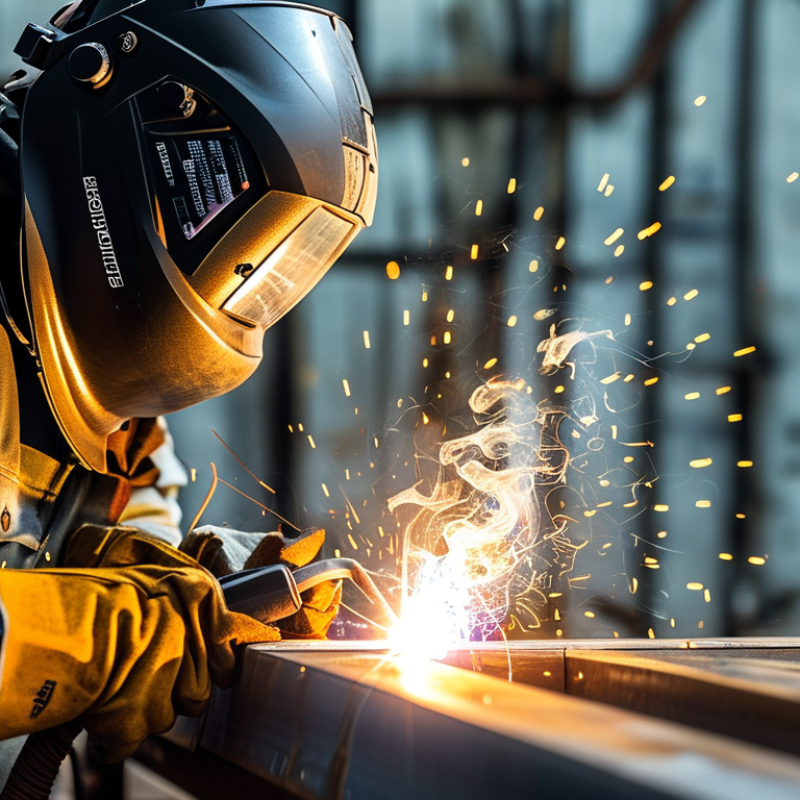
When exploring types of flux cored arc welding (FCAW) wires, various options suit different welding needs. The most common types include gas-shielded and self-shielded wires. Gas-shielded wires are ideal for outdoor use but require a shielding gas. Self-shielded wires do not need external protection and are great for windy conditions. This versatility makes selecting the right type vital for efficient welding projects.
Another key distinction in FCAW wires is the chemical composition. Certain wires are designed for specific materials like stainless steel or mild steel. The choice impacts weld quality and performance significantly. Many welders overlook this, leading to subpar results. It's essential to match wire type to the base metal for optimal adhesion and durability.
Welding techniques also vary with different wires. Some wires burn faster, while others offer smoother arcs. Experimenting with various options can help identify what works best for your projects. However, results can be unpredictable. Additionally, factors like electrode angle and speed must align with wire characteristics to achieve the desired outcome. Adjusting to these nuances requires practice and reflection.
When selecting flux cored arc welding wires, certain key characteristics are vital for successful welding execution. The first aspect to consider is the wire's composition. This affects the weld's strength and performance. A study published by the American Welding Society notes that wires with higher alloy content typically offer improved corrosion resistance. Depending on the application, the right alloy can enhance durability and longevity, particularly in harsh environments.
Another crucial characteristic is the diameter of the wire. Larger diameters generally allow for higher deposition rates. However, the choice of diameter depends on the thickness of the material being welded. The recommended ranges vary; for instance, wires between 0.035 and 0.045 inches are commonly suitable for medium to heavy sections. Using the correct diameter influences puddle control and can mitigate issues like burn-through in thinner materials.
Welding wire packaging also deserves attention. Quality packaging can ensure the wire remains uncontaminated and maintains its integrity. Some reports indicate that approximately 30% of welding defects stem from wire contamination. Protecting the wire from moisture and debris reduces the likelihood of weld imperfections. By focusing on these characteristics, welders can achieve more reliable results and effective performance in their projects.
When choosing flux cored arc welding wires, performance and value are critical. The right wire can enhance the quality of your welds. Different wires suit various applications. Some offer better penetration, while others excel in portability. If you're working on thicker materials, a wire with high deposition rates is beneficial. This ensures strong welds without excessive passes.
Consider the type of shielding gas as well. Certain wires work best with specific gases. This choice affects weld appearance and integrity. Pay attention to how the wire performs in different conditions, such as outdoor environments. Wind can disrupt shielding, so the wire should handle such challenges.
Welding can be unpredictable. Variable factors might lead to imperfections. It’s essential to test a few options before settling on the best fit for your needs. Don’t hesitate to re-evaluate the wires after some use. Knowing when to change your welding wire can save time and improve your projects. Make your choice based on actual performance rather than just specifications. This practical approach helps in achieving successful outcomes in welding tasks.
When selecting flux-cored arc welding wires, understanding their applications is crucial. Different metals require specific wire types to achieve optimal results. For example, mild steel wires are common for general construction projects. They offer excellent penetration and stability. Stainless steel wires, on the other hand, provide superior corrosion resistance. They are ideal for automotive and marine applications.
Consider the unique challenges of each metal. Aluminum welding requires lightweight wires that provide good fluidity. Flux-cored wires for aluminum must prevent contamination during the process. This aspect can be challenging and may lead to imperfect welds if not managed correctly. It’s essential to practice and refine skills for consistent results.
Lastly, while many beginners focus on the brand of wire, skill level plays a vital role. New welders may struggle with techniques, regardless of wire quality. Continuous practice is necessary to build proficiency. Evaluating different wire types based on specific metal applications enhances knowledge and effectiveness in welding. This journey always presents opportunities for improvement and deeper understanding.
When engaging in flux-cored arc welding, safety should be your top priority. This welding method produces intense heat and can emit harmful fumes. Make sure to wear appropriate protective gear. A welding helmet with a proper shade level is essential. Goggles or face shields help protect your eyes from sparks and UV radiation. Fire-resistant clothing is also crucial, as it protects your skin from molten metal splatter.
Ventilation is vital for a safe welding environment. Ensure your workspace is well-ventilated to avoid fume inhalation. This can be done by working outdoors or using fans to improve air circulation. Additionally, keep a fire extinguisher nearby. Welding can easily ignite nearby materials, so the risk of fire is real.
Regular maintenance of your equipment reduces risks. Check the welding machine and cables for any wear or damage. Faulty equipment can lead to malfunctions and accidents. Also, ensure that your workspace is organized and free from clutter. A tidy area reduces distractions and hazards, allowing you to focus on your work. Remember, even experienced welders can overlook safety. Continuously assess your working conditions and practices.
| Wire Type | Diameter (inches) | Material | Application | Safety Considerations |
|---|---|---|---|---|
| E71T-11 | 0.030 | Mild Steel | General Purpose | Use in well-ventilated areas |
| E71T-12 | 0.035 | Mild Steel | Structural Fabrication | Wear suitable respiratory protection |
| E71T-GS | 0.030 | Mild Steel | Outdoors, Windy Conditions | Avoid breathing fumes |
| E81T1-Ni1 | 0.045 | Nickel Alloys | Welding Nickel Alloys | Use gloves to avoid burns |
| E308LT1-1 | 0.030 | Stainless Steel | Stainless Steel Fabrication | Ensure proper grounding to avoid shocks |
| E4047 | 0.030 | Aluminum | Aluminum Welding | Wear eye protection |
| E70C-6M | 0.035 | Mild Steel | Heavy Machinery | Movement of equipment must be restricted |
| E71T-1 | 0.045 | Mild Steel | Fabrication and Repair | Use proper ventilation to minimize exposure |
| E71T-8 | 0.045 | Mild Steel | Heavy Steel Structures | Use protective gear to avoid burns |
: Performance and value are key. Different wires suit various applications, impacting the weld quality.
The right shielding gas enhances weld appearance and integrity, affecting how the wire performs.
Wind can disrupt shielding. Choosing a wire that withstands outdoor challenges is essential.
Each wire behaves differently. Testing options helps identify the best fit for your specific needs.
After some use, re-evaluate performance. Knowing when to change can save time and improve outcomes.
A welding helmet, goggles, and fire-resistant clothing are essential for safety during the process.
Proper ventilation prevents fume inhalation. Working outdoors or using fans can enhance air circulation.
Regularly check machines and cables for wear. Regular maintenance reduces risks of malfunctions.
A tidy area reduces distractions and hazards. It allows welders to concentrate on their tasks effectively.
Continuously assess working conditions. Even experienced welders can forget safety, so regular checks are vital.
Flux Cored Arc Welding Wire is essential for efficient welding, and various types are available in the market to suit different applications. Understanding the key characteristics such as wire diameter, flux composition, and arc stability is crucial when selecting quality welding wires. The article highlights a curated list of the top 10 flux cored arc welding wires, focusing on performance and value, providing insights into their effectiveness for various metal applications.
Moreover, a comparison of these welding wires across different metals demonstrates their unique properties and suitability. Safety considerations are also emphasized, ensuring users are aware of best practices while using Flux Cored Arc Welding Wire to maintain optimal safety standards during the welding process. This comprehensive overview aids welders in making informed choices for their projects.

Runxing machinery