Explore our premium product portfolio designed for high-stress grinding abrasion, extreme impact, and high-temperature industrial operational environments.
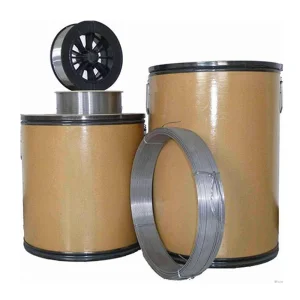
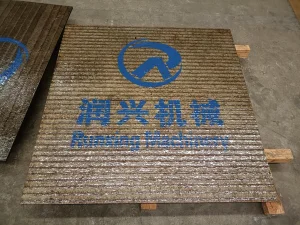
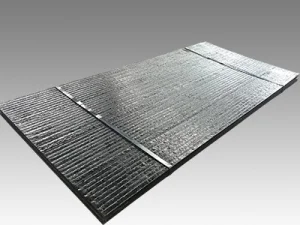
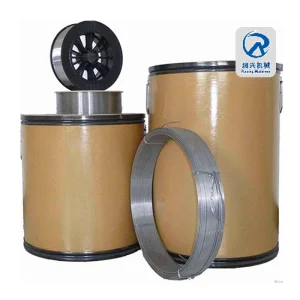
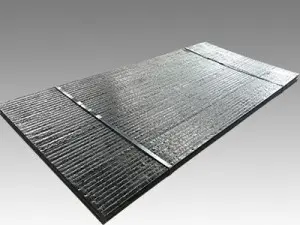
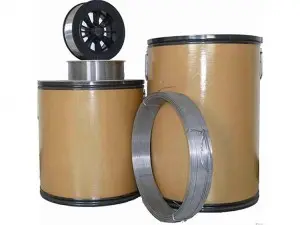
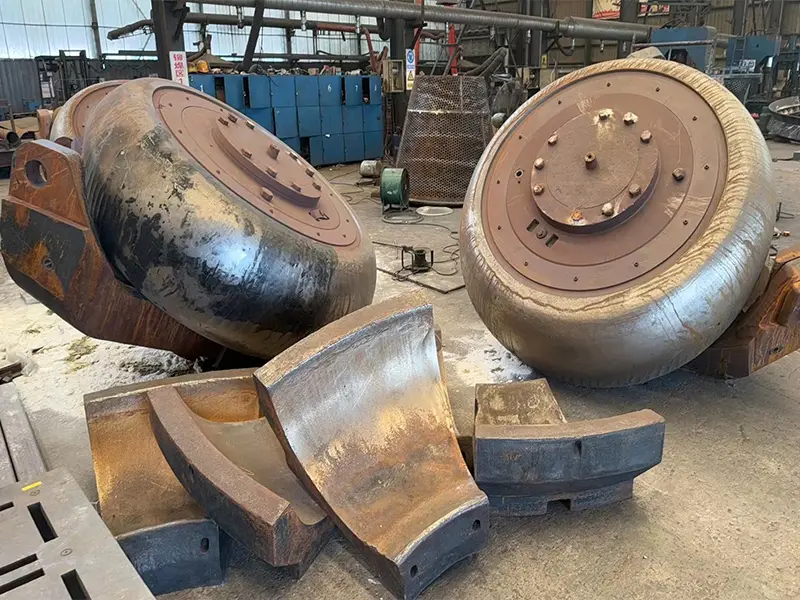
In modern industrial metallurgy, raw material extraction and steel manufacturing represent two of the most aggressive wear environments in existence. Heavy equipment operators across steel mills, iron ore mining complexes, sinter plants, and blast furnaces face relentless mechanical degradation caused by continuous friction, micro-gouging abrasion, extreme heat, and severe impact. The term "Mining for Steel" encompasses the complete industrial supply chain from primary mineral excavation to the final rolling of structural steel products—a process where unscheduled downtime due to component failure directly degrades profit margins and operational efficiency.
Steel plants operate continuously under harsh environmental conditions. Sintering plants transport highly abrasive sinter cake at temperatures exceeding 600°C; blast furnace charging systems endure violent impacts from iron ore pellets and coke; continuous casting lines subject conveyor rolls to intense thermal cycling and metal-to-metal friction. Traditional carbon steel or quenched-and-tempered alloy plates (such as AR400 or AR500) fail rapidly under these combined thermal and tribological stresses. Advanced hardfacing metallurgy—specifically bimetallic overlay plates containing high concentrations of hexagonal primary M7C3 chromium carbides—provides the necessary wear resistance matrix required to sustain uninterrupted multi-year production campaigns.
The global steel industry is undergoing a profound structural shift driven by decarbonization mandates, raw material quality volatility, and geopolitical supply chain realignments. As steel producers transition toward Electric Arc Furnace (EAF) steelmaking and Direct Reduced Iron (DRI) processes alongside optimized Blast Furnace - Basic Oxygen Furnace (BF-BOF) routes, the demand for high-grade iron ore and scrap metal has intensified. Processing lower-grade ores requires increased crushing, grinding, and beneficiation capacity, accelerating equipment wear rates in mining and mineral processing infrastructure globally.
To meet these commercial challenges, industrial suppliers must deliver verified technical quality backed by seamless international trade infrastructure. Tangshan Runxing Machinery Co., Ltd., founded in 2010 in Tangshan, Hebei Province (China's steel manufacturing hub), has established a world-class manufacturing center dedicated to surface hardfacing metallurgy. To guarantee smooth global transaction management, customs clearing, and reliable international delivery, all export business is fully authorized and managed by Hebei Yuwan International Trade Co., Ltd. This strategic division of labor allows the factory to focus 100% of its resources on chemical metallurgy, precision automated welding equipment engineering, and continuous quality control.
The core technology driving high-performance wear resistance lies in the precise control of phase transformations and microstructural composition during hardfacing weld deposition. Standard carbon steel fails under abrasion because its pearlite/ferrite structure lacks sufficient hardness to withstand silica, iron ore, and clinker particles (which exhibit hardness values between 800 and 1200 HV). Chromium Carbide Overlay (CCO) plates, manufactured in compliance with international standards such as DIN 8555, solve this problem by depositing a thick layer of chromium-rich hypereutectic alloy onto a ductile Q235B or Q345B structural steel backing plate.
| Material Classification | Primary Microstructure | Hardness Range (HRC / HV) | Max Working Temp (°C) | Primary Industrial Application |
|---|---|---|---|---|
| RX®wp 7600 Standard CCO | Primary M7C3 Carbides + Eutectic Matrix | 58 - 62 HRC (650 - 750 HV) | 350°C | Mining Chutes, Conveyor Hoppers, Cement Pipes |
| RX® High-Chromium Alloy Wire | Hypereutectic Cr-Fe Carbide Alloy | 55 - 60 HRC (600 - 700 HV) | 450°C | Open-Arc Field Weld Overlays, Crusher Rolls |
| Complex Carbide Overlay (Nb/V/W) | Dispersed NbC, TiC & M7C3 Carbides | 62 - 66 HRC (750 - 900 HV) | 650°C | Sinter Plant Screen Plates, Blast Furnace Bells |
| Alumina Ceramic (Al2O3) Composite | Sintered High-Purity Alpha-Alumina | > 85 HRA (> 1400 HV) | 250°C (Adhesive Bond) | Pneumatic Coal Powder Ducts, Hydrocyclones |
During the automated submerged arc or open arc surfacing process, the chemical composition is controlled so that chromium content ranges from 25% to 40%, and carbon content ranges from 4.0% to 5.5%. As the weld pool cools, primary chromium carbides (M7C3) precipitate out first as hard, hexagonal needle-like crystals oriented perpendicular to the wear surface. These carbides exhibit micro-hardness values exceeding 1500 HV. The surrounding matrix consists of an austenitic eutectic structure that absorbs mechanical shocks, preventing catastrophic brittle fracturing of the wear plate during operation.
Achieving uniform wear resistance across large surface areas (such as 1480x3050mm overlay sheets) requires sophisticated numerical control systems. Tangshan Runxing Machinery Co., Ltd. develops proprietary RX® Surfacing Equipment featuring advanced 4-gun numerical control mechanisms operated via an intuitive 10.2-inch touch screen interface. Key technical features include:
Every heavy industry presents unique operational stresses. Runxing Machinery tailors specialized wear protection solutions based on localized friction, impact, thermal, and chemical conditions.
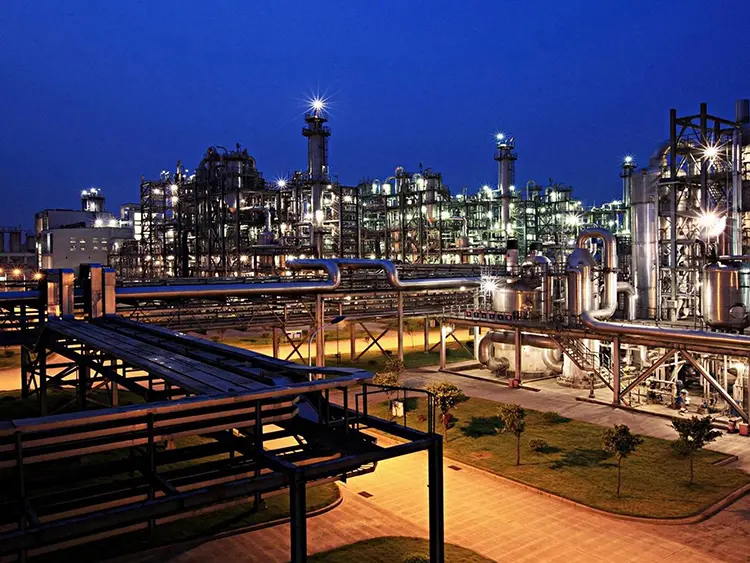
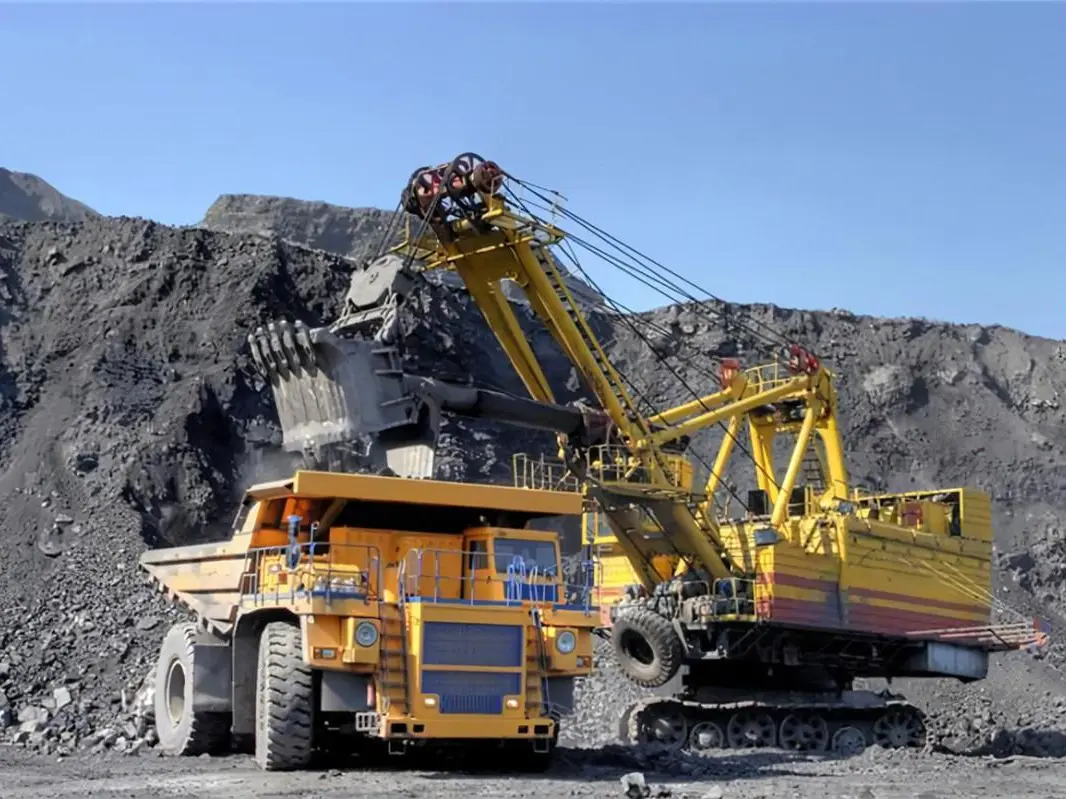
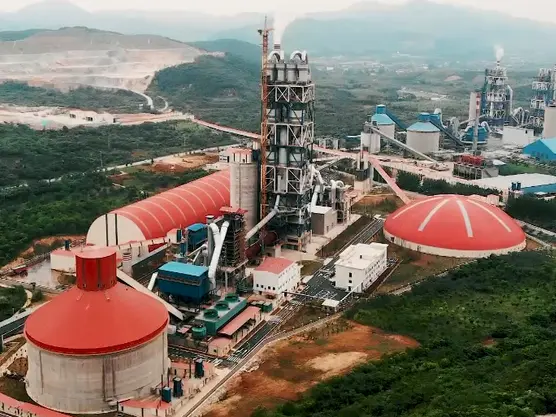
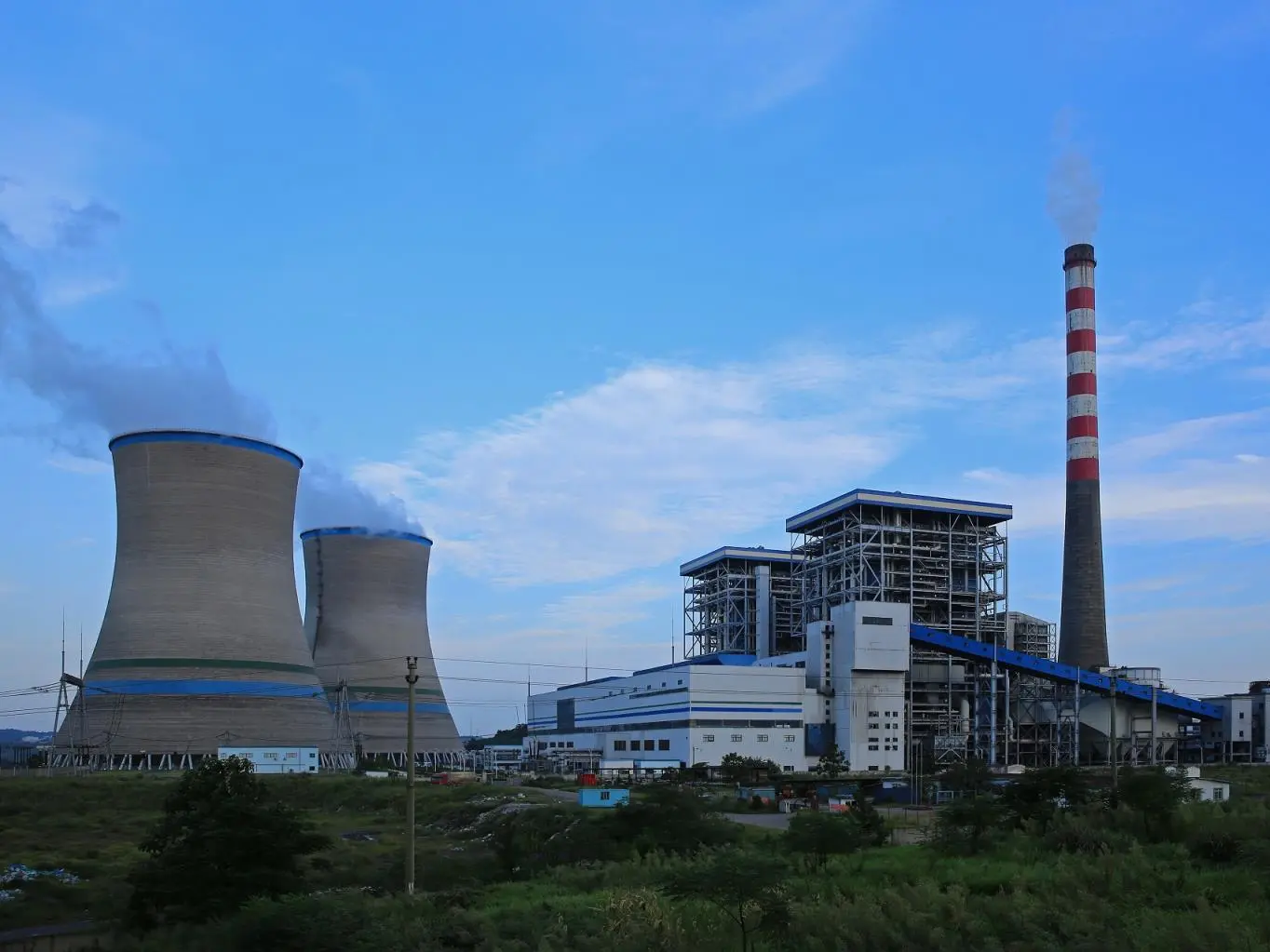
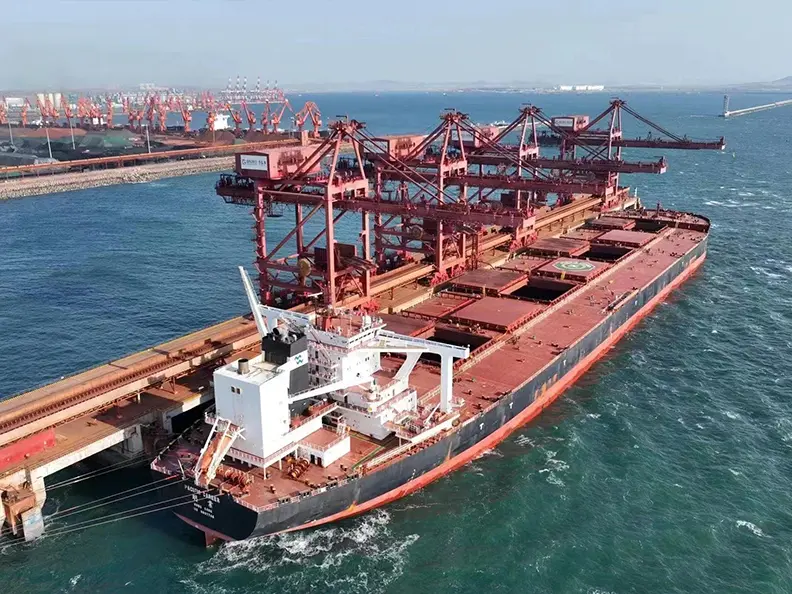
Operational reliability in heavy manufacturing requires uncompromising adherence to international quality standards. Runxing Machinery enforces an end-to-end Quality Assurance System starting from raw wire chemical verification to non-destructive testing of finished overlay plates.
Every batch of Chromium Carbide Overlay (CCO) plates undergoes rigorous microstructural analysis. Optical emission spectroscopy verifies elemental chromium and carbon concentrations, while Rockwell hardness testing (HRC) guarantees uniform protection across the entire working surface.
Managed by Hebei Yuwan International Trade Co., Ltd., all international shipments strictly comply with ISO 9001 quality management procedures, DIN 8555 hardfacing standards, and international customs, documentation, and phytosanitary packaging norms.
To remain at the forefront of wear-resistant surface engineering, Runxing Machinery actively collaborates with leading academic institutions. In 2023, senior academic leaders from Tangshan University—including Dean Yuan Shaoqiang, Vice Dean Li Jing, and Professor Yang Yuehui (Lead Expert in Metal Materials & Forming Technology)—visited Runxing's production facility for comprehensive academic and technical research.
Welcomed by General Manager Li Xiuhua, Vice General Manager Cui Jianying, and Office Director Zhang Yukun, the research team evaluated Runxing's advanced surfacing automated systems, resulting in joint research initiatives to optimize micro-grain refinement in high-chromium welding wires.
Founded in 2010 in Tangshan, Hebei Province, Tangshan Runxing Machinery Co., Ltd. has grown into a leading global manufacturer specializing in the research, development, automated production, and on-site engineering of wear-resistant metal products. Grounded in the core philosophy of "Integrity, Superior Quality, Innovation & Sustainable Development," Runxing delivers comprehensive wear protection across Russia, Central Asia, Africa, South America, Europe, and Southeast Asia.
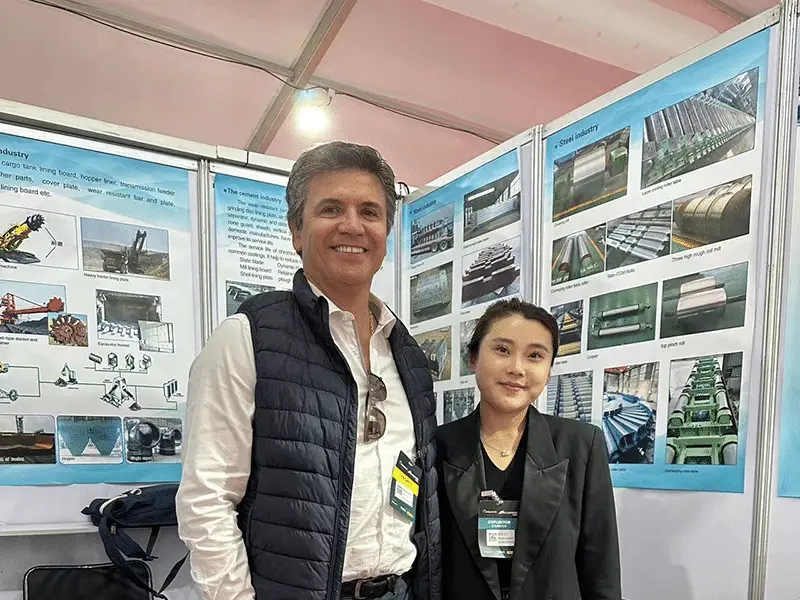
Runxing Machinery actively participates in premier mining and industrial engineering expos worldwide to support international clients and showcase next-generation wear technologies:
As heavy industry transitions toward higher operational speeds, automated monitoring, and severe economic pressures, standard wear solutions must evolve. Tangshan Runxing Machinery Co., Ltd. has outlined a strategic technical roadmap focusing on three core areas over the next decade:
Developing nano-scale dispersion alloy systems incorporating Titanium Carbide (TiC), Niobium Carbide (NbC), and Boride additives to boost micro-hardness beyond 70 HRC without increasing brittleness.
Integrating real-time laser profile scanning and adaptive AI feedback controls into 4-gun surfacing machines to auto-correct weld path geometry and deposit precise variable-thickness overlays.
Expanding specialized grinding roll restoration services, allowing worn industrial rolls from steel and cement plants to be remanufactured up to 5 times, cutting raw steel consumption by 80%.
Explore our complete range of specialized equipment, hardfacing wires, custom plates, and engineering repair services.
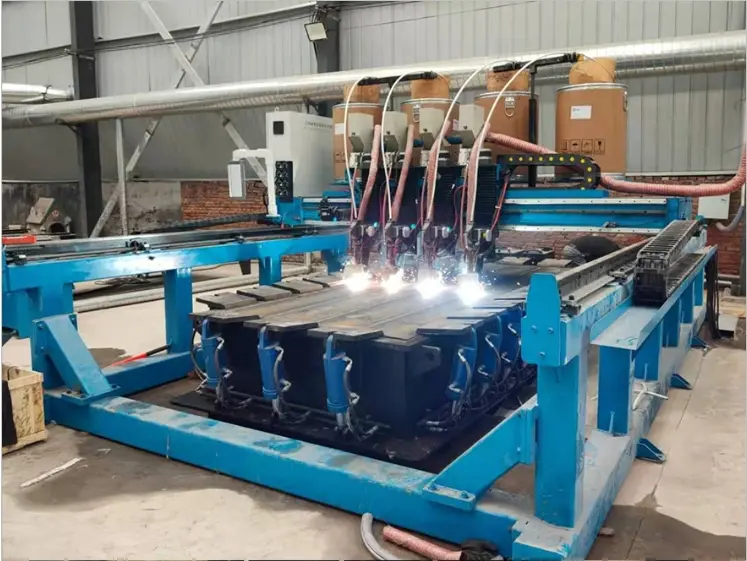
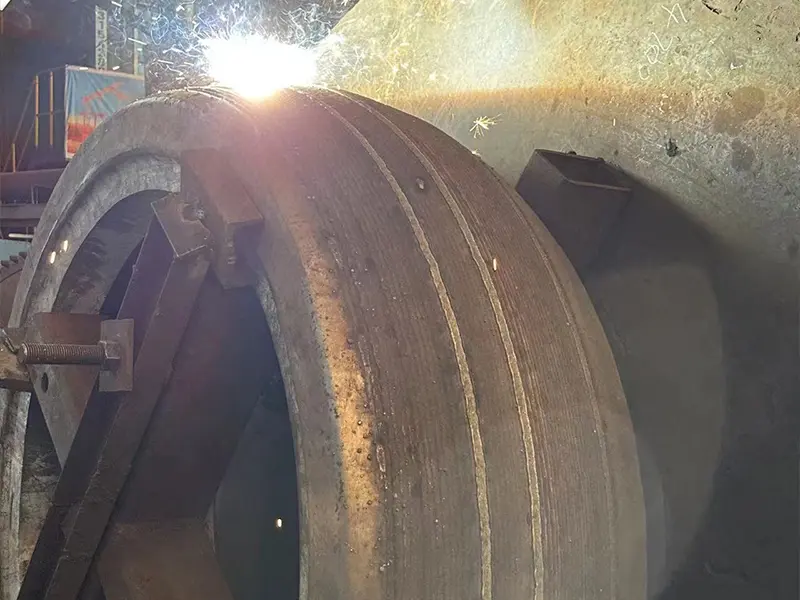
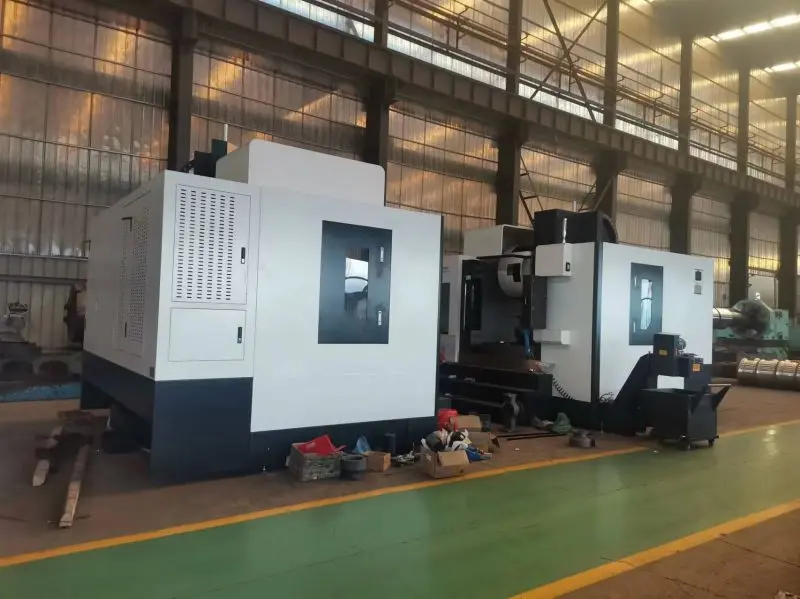
A visual overview of our advanced production lines, academic inspections, partner certifications, and international exhibition presence.







 Runxing machinery