Explore our leading OEM hardfacing products engineered for heavy industrial environments.
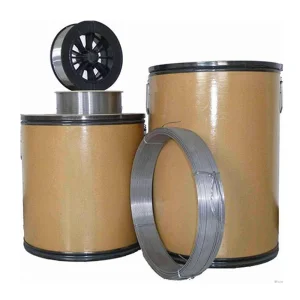
Premium alloyed flux-cored wires designed for high-stress grinding abrasion and extreme wear mitigation across heavy mining and steel processing operations.
Learn More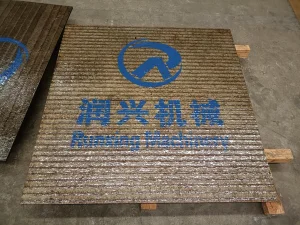
High-performance chromium carbide composite plates engineered with structural steel backing. Unbeatable defense against sliding wear and severe particle impacts.
Learn More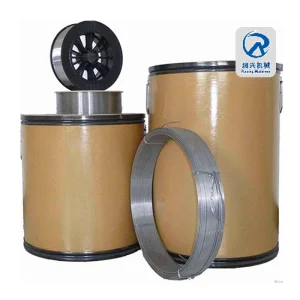
Self-shielded (FCAW-S) flux-cored welding wire optimized for hardfacing applications without the need for external shielding gas. Ideal for field operations.
Learn More
Runxing RX-m Series designed specifically for cement chutes, mining hoppers, and heavy-duty liners requiring extreme hardness and durability.
Learn More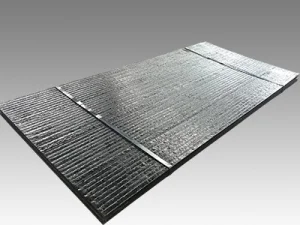
Bimetallic wear composite plates containing primary chromium-rich carbides designed to withstand severe abrasion and erosion.
Learn More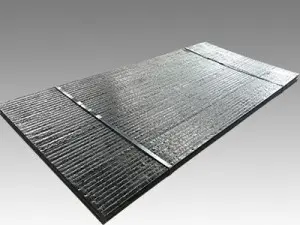
Composite material wearplate made of a structural steel backing & a hard weld surfacing, corresponding to industry-standard DIN 8555 specifications.
See more products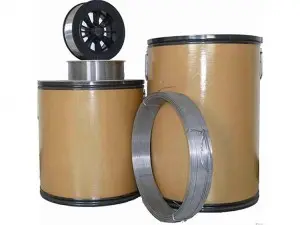
Self shielded flux cored wire. High chromium alloy designed for resisting high stress grinding abrasion with low impact, optimized for wear plates.
See more products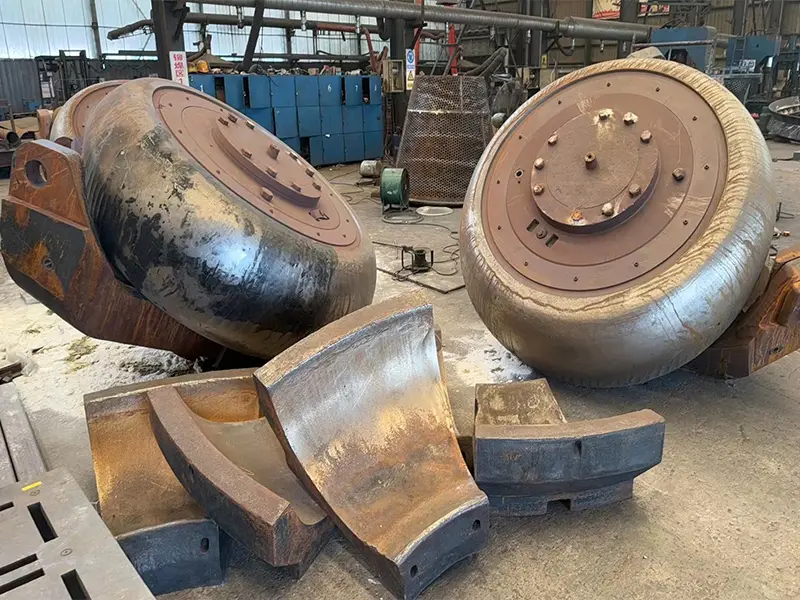
Precision hardfacing and thermal transfer alloys. High chromium matrix designed to withstand harsh industrial sliding wear and friction environments.
See more productsUnlocking extreme wear resistance through shielding gas optimization, flux chemistries, and structural overlays.
In high-stress industrial applications, the choice of welding consumables and protection systems determines the integrity of the overlay deposit. Flux-Cored Arc Welding (FCAW) is divided into two distinct technical families: Gas-Shielded (FCAW-G) and Self-Shielded (FCAW-S). Understanding their chemical differences is critical for procurement officers and metallurgists targeting maximum performance.
Gas-Shielded Wire Welding (FCAW-G): This method utilizes an external shielding gas, typically a blend of Argon (Ar) and Carbon Dioxide (CO2), or pure CO2. The shielding gas serves to exclude atmospheric oxygen and nitrogen from the molten weld pool. The introduction of Argon stabilizes the arc plasma, reduces spatter, and promotes a deep-penetrating spray transfer mode. CO2, as an active gas, assists in deep penetration but increases surface oxidation, which is countered by deoxidizers in the wire core.
Our metallurgy team has proved that using an Ar/CO2 blend (typically 75/25 or 82/18) instead of pure CO2 reduces carbon burn-off during droplet transfer. This preserves the stoichiometric ratio of Chromium to Carbon, ensuring a high density of primary M7C3 carbides with microhardness levels reaching up to 1500 HV.
Self-Shielded Wire Welding (FCAW-S): In contrast, self-shielded wire relies entirely on the gas-generating compounds embedded within the flux core. Carbonates, fluorides, and denitrifiers (such as Aluminum and Titanium) react under the high temperature of the welding arc to release protective gases (primarily CO and CO2) locally. This makes self-shielded wires uniquely suited for outdoor, high-wind environments, such as structural field modifications or mine site repairs, where external gas shields would be blown away.
For operations experiencing heavy abrasive wear (such as cement chutes, crusher components, and mining hoppers), plain carbon steels fail within weeks. Runxing's Chromium Carbide Overlays (CCO) introduce a hyper-eutectic alloy deposit to the substrate. The structural chemistry typically features 3.5% to 5.5% Carbon and 25% to 35% Chromium.
Upon cooling, the molten weld pool precipitates primary chromium carbides (Cr7C3 or M7C3) within a tough, austenitic matrix. The primary carbides are needle-like structures oriented perpendicular to the wear surface. As abrasive media slides over the CCO wear plate, these hard carbides resist micro-ploughing and cutting, while the matrix absorbs kinetic energy, preventing bulk fracturing.
| Alloy Grade | C (%) | Cr (%) | Other Elements | Hardness (HRC) | Primary Application |
|---|---|---|---|---|---|
| RX®wp 7600 | 4.5 - 5.2 | 28 - 32 | Mn, Si (Trace) | 58 - 62 | Cement Chutes, Choked Hoppers |
| RX-m Series | 4.8 - 5.5 | 30 - 35 | V, Nb, B (Special) | 62 - 67 | High-Stress Mining Excavator Liners |
| Bimetallic Standard | 3.8 - 4.5 | 22 - 28 | Fe Base | 55 - 58 | General Port Chutes & Conveyor Hoppers |
At our automated facility in Tangshan, Hebei, the bimetallic plates are manufactured using a proprietary open-arc cladding process. A structural carbon steel backing plate (typically Q235B or Q355B) is positioned on a water-cooled copper table. Multi-cathode welding heads deposit continuous beads of flux-cored wire. The intense heat creates a narrow, highly controlled dilution zone between the backing steel and the overlay. This ensures a metallurgically bonded composite that will not delaminate under severe impact or structural bending.
How Runxing wear solutions adapt to extreme operating environments across different continents.
Operating in regions where temperatures drop to -40°C requires structural backing steel with high low-temperature impact toughness (e.g., Q355D or Q355E). Runxing’s specialized stress-relief cracking pattern in the CCO layer prevents cracks from propagating into the backing steel, ensuring zero structural failure during winter mining operations.
Extreme dry heat and massive abrasive dust cycles lead to rapid erosion. In South African gold fields and Middle Eastern cement operations, our gas-shielded wires weld components directly on-site. Using specialized gas shields prevents nitrogen porosity, ensuring the weld overlay maintains consistent hardness even under sustained kiln feed temperatures exceeding 500°C.
Marine environments combine mechanical sliding abrasion with chloride-induced corrosion. Runxing custom-formulates cladding wires with Chromium-Nickel-Molybdenum chemistry to create a passivation film on the bimetallic plates, extending service life by 300% compared to standard carbon steels.
Strategic logistics combined with innovative material engineering defines our industry leadership.
Based in Tangshan, Hebei Province—the core of China's heavy iron and steel production network—Runxing Machinery leverages immediate access to raw alloying elements, premium structural base plates, and energy grids. This vertical integration buffers our clients from price volatility and guarantees raw material traceability.
To eliminate export complexies for global buyers, all international transactions, compliance procedures, and custom clearance logistics are managed by our fully authorized trade division, Hebei Yuwan International Trade Co., Ltd. This division coordinates freight forwarding, marine insurance, and complex documentation (SGS, ISO Certificates, CO, Form E) to ensure hassle-free deliveries directly to ports in Europe, Central Asia, and Africa.
As industrial processes demands higher output and efficiency, standard wear protection must evolve. Runxing’s engineering division, in alignment with metallurgists from Tangshan University, is executing on a multi-phase technology roadmap:
Proven reliability and extended maintenance cycles in heavy industrial fields worldwide.
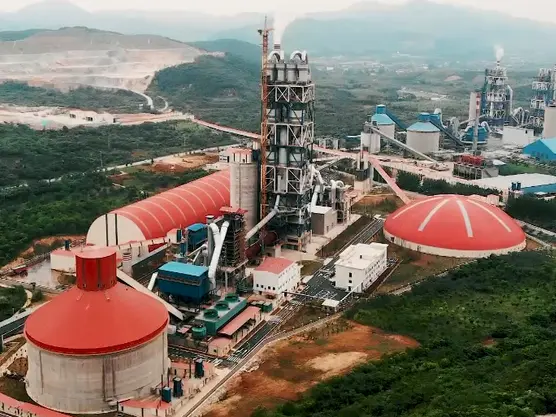
The key issue for any cement plant lies in the availability of critical equipment. The key to equipment availability is wear resistance, and the performance of wear-resistant products determines the operating time of critical equipment. Runxing CCO plates drastically reduce down-time for chutes and hoppers.
See more products >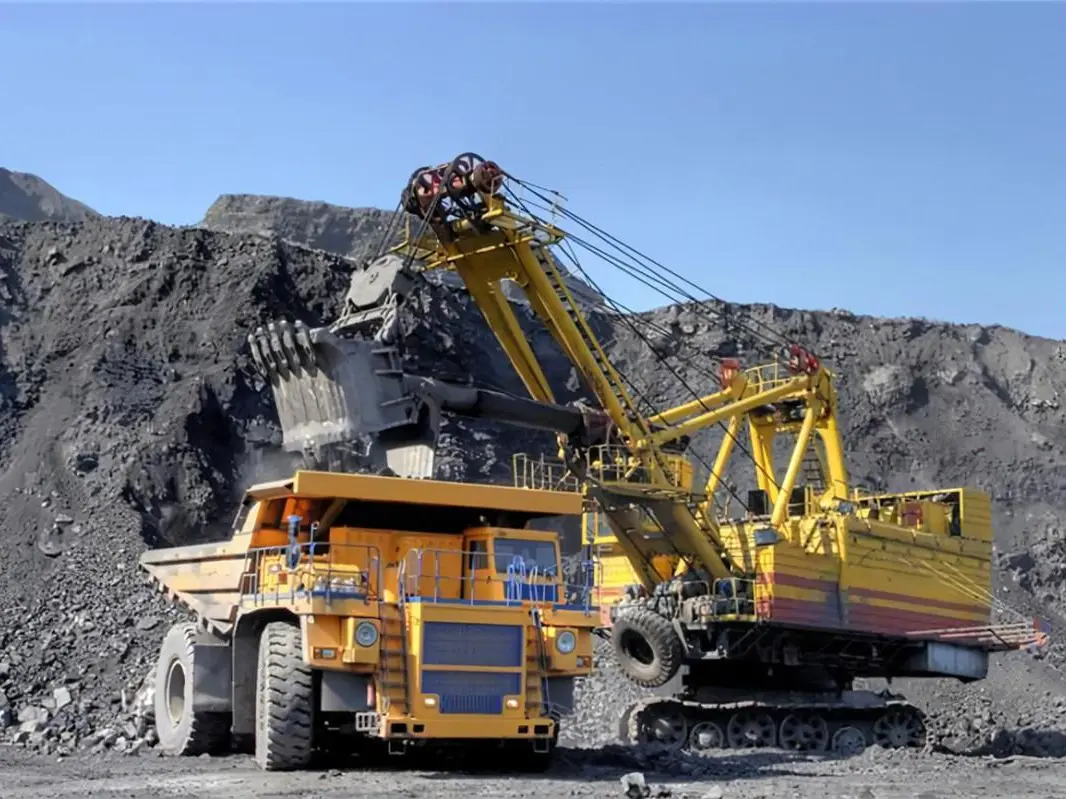
Mine operators around the globe are seeking to increase productivity, profitability and sustainability. We help our partners achieve these goals by delivering the mining industry’s most comprehensive and cost-effective wear solutions, including customized excavator bucket protection.
See more products >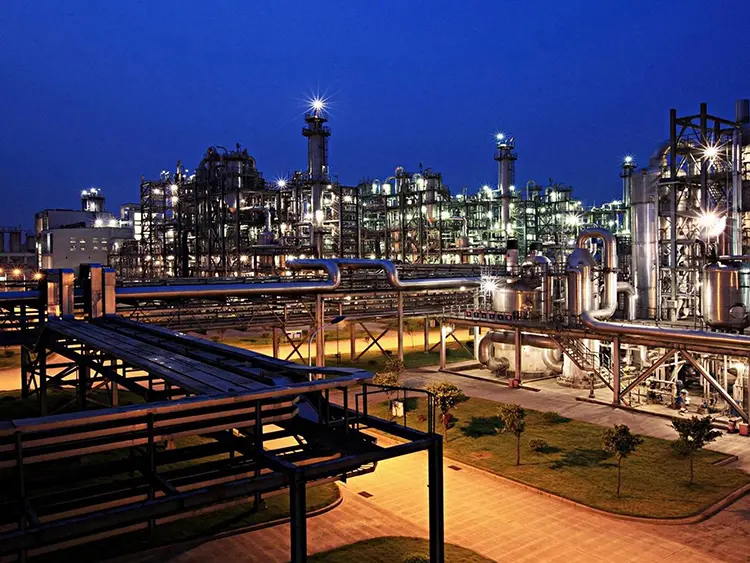
In the steel industry, the use of equipment is even more brutal, involving raw minerals, high temperatures, corrosion and other working conditions. Sintering screen plates, blast furnace hoppers, and coke guide plates built with Runxing technology withstand these extremes.
See more products >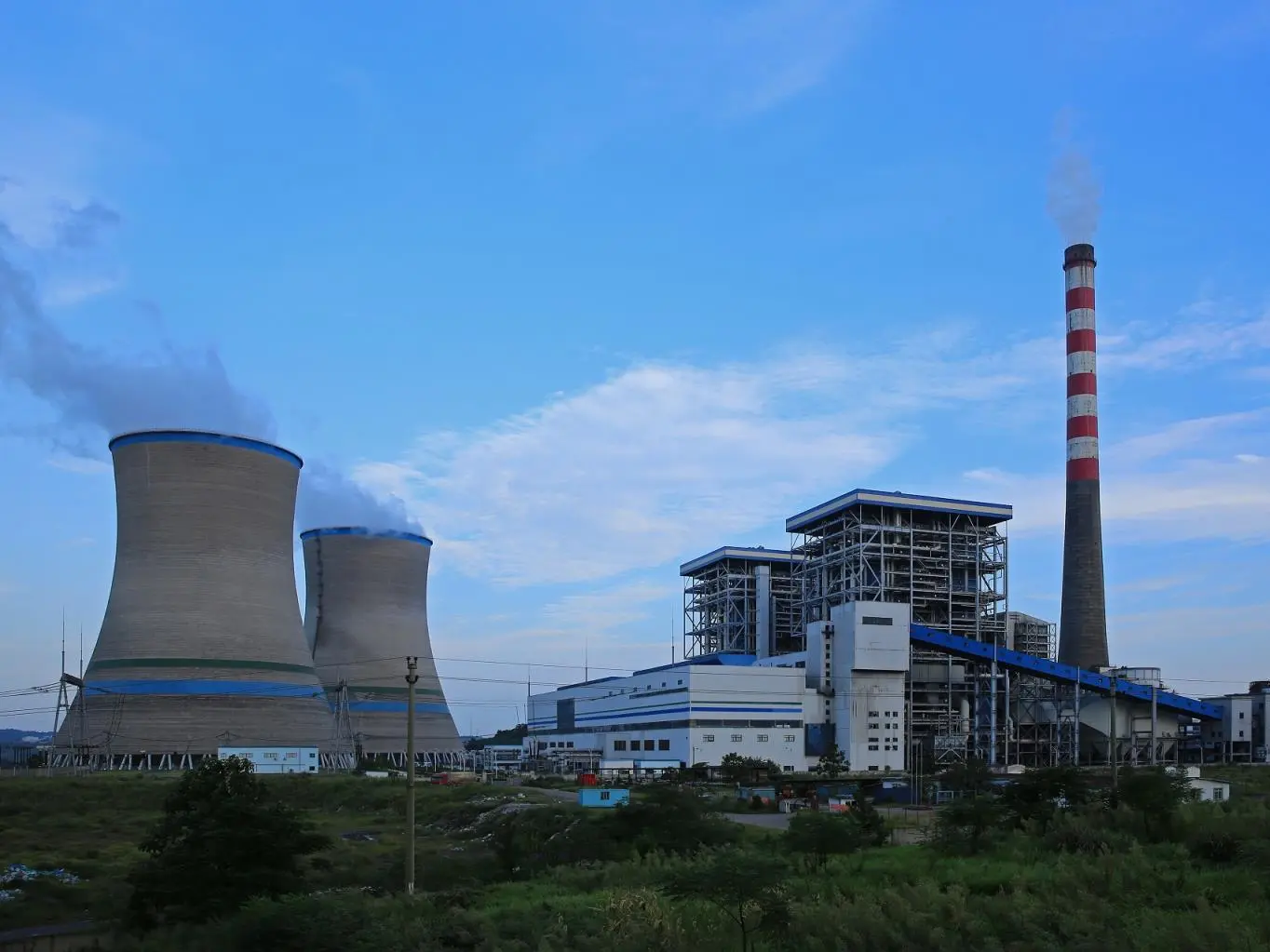
Wear protection for fan blades, conveyor chutes and hopper liners, crushers, coal mills, dust removal systems, conveyor systems. Our bimetallic composites prevent premature erosion from high-speed coal dust and combustion ash.
See more products >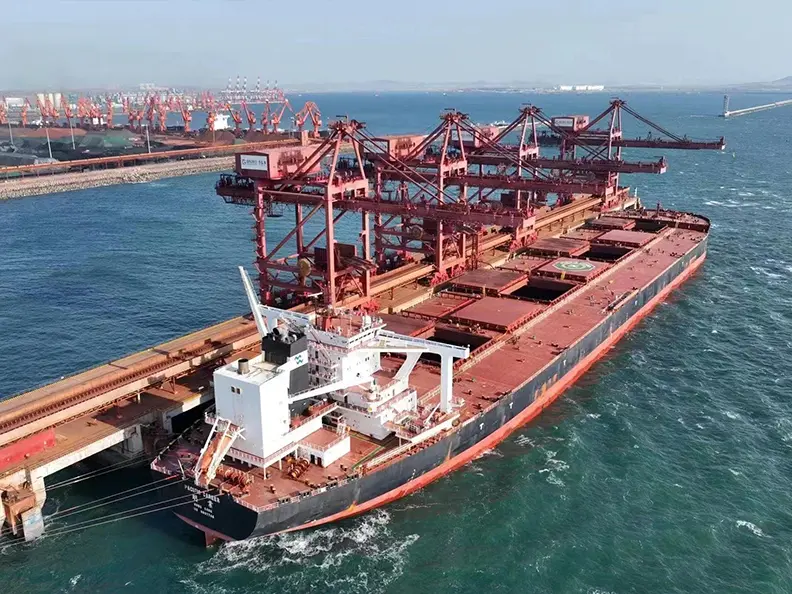
Ports are mainly to transport various materials, conveying equipment, loading and unloading equipment, as well as yard stacking and picking equipment, is the main force of port operations, and the damage of these equipment directly affects the benefits.
See more products >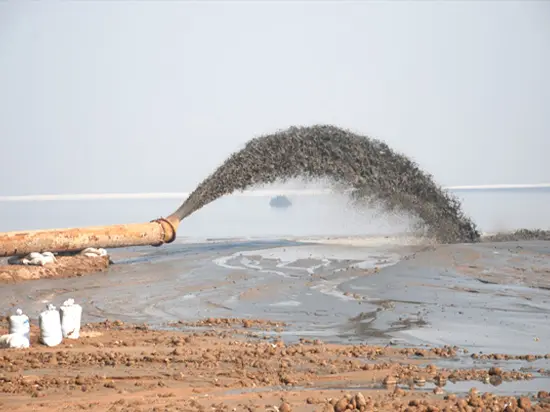
The wear-resistant alumina ceramic is made of high purity superfine alumina powder and sintered at high temperature by an optimized formula, offering an alternative erosion protection for extreme fine particle piping networks.
See more products >Expanding our research and service networks across global engineering stages.
Got questions about welding gases, flux cored wires, and hardfacing applications? Find expert engineering answers below.
The primary difference lies in the shielding mechanism. Gas-shielded wire requires an external gas supply (typically 75% Argon + 25% CO2 or 100% CO2) to protect the molten weld pool. This shielding method produces very low spatter, clean surface finishes, and allows for high recovery of alloying elements like chromium. Self-shielded wire relies entirely on flux additives inside the wire core that decompose into protective gases inside the arc. This setup is highly portable and ideal for windy, outdoor operations where wind would blow away a gas shield.
Our bimetallic plates (such as the RX®wp 7600 series) are clad using computerized, automated welding gantries. We strictly control the cooling rate and chemical composition to ensure a high concentration of primary M7C3 chromium carbides. These carbides achieve a microhardness of up to 1500 HV. They are embedded within a tough, impact-resistant austenitic matrix, offering excellent wear resistance against sliding abrasion.
We recommend using an Argon/CO2 blend (typically 75% Ar / 25% CO2 or 80% Ar / 20% CO2) for gas-shielded FCAW wires. Argon stabilizes the arc, improves spray transfer, and minimizes spatter, while the CO2 content ensures deep root penetration into the backing steel. This blend yields a smoother deposit, reducing post-weld grinding and maximizing alloy recovery.
No, these superficial micro-cracks (stress-relief cracks) are normal and necessary. They occur during cooling because the thermal expansion coefficient of the chromium carbide overlay differs from that of the carbon steel backing. These cracks relieve residual stresses within the weld overlay. They stop at the interface and do not penetrate into the structural backing plate, ensuring the plate remains structurally sound and can be cut, rolled, or formed without delaminating.
Yes. Through our ODM and OEM services, we offer customized CCO plates (such as the RX-m Series) tailored to your exact drawings. Using CNC plasma cutting, rolling, and plug welding holes, we manufacture wear-ready liners for cement chutes, mining truck beds, and steel plant hoppers. We can customize the base plate thickness (e.g., 6+4, 8+6, 10+10, or thicker) to balance weight and service life.
Hebei Yuwan is the fully authorized trade handler for all Runxing Machinery export business. They handle everything from payment collections and custom clearances to shipping logistics, certificates of origin, and bill of lading releases. This allows our production plant in Tangshan to focus on manufacturing while ensuring that our global customers receive their orders on time and in compliance with local import rules.
Complete your hardware footprint with our proprietary welding machines and repair solutions.
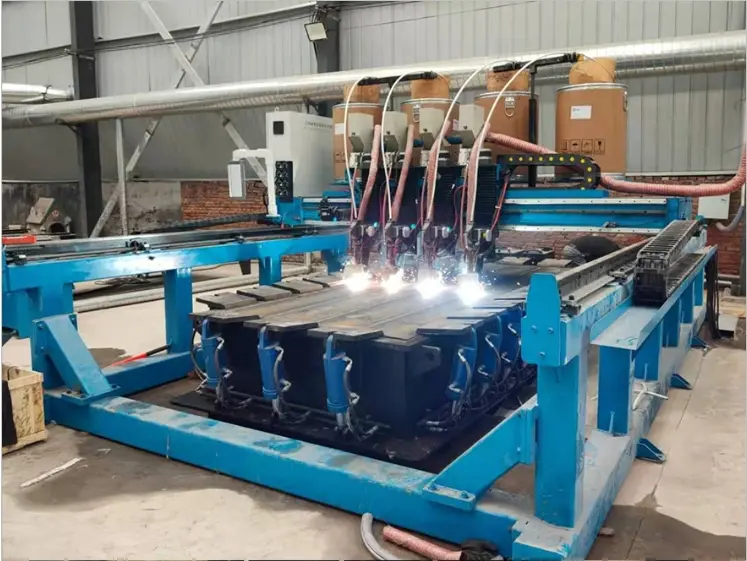
RX® Surfacing cladding equipment with advanced automation control systems, 10.2-inch touchscreens, and four welding guns operating simultaneously for fast overlay cladding.
See more products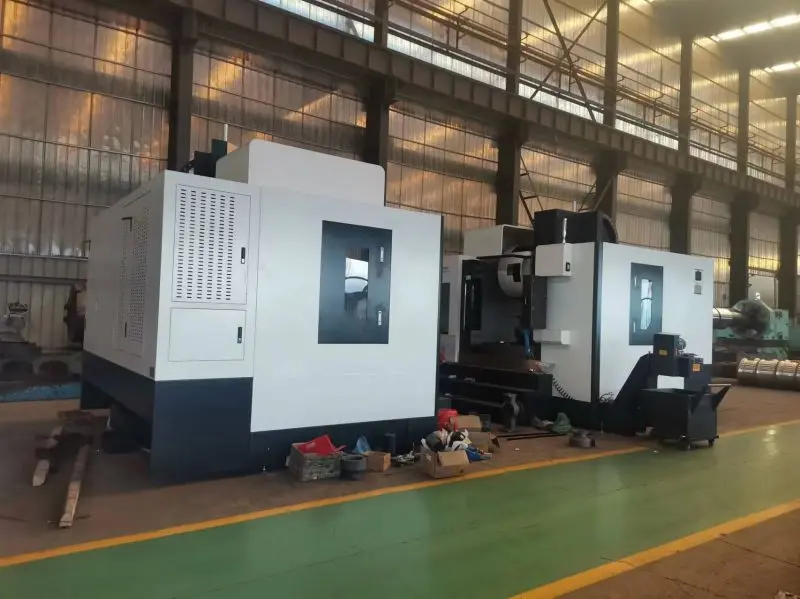
Full engineering design, CNC fabrication, machining accessories, and turnkey installation solutions for large-scale mining, cement, and power plants.
See more products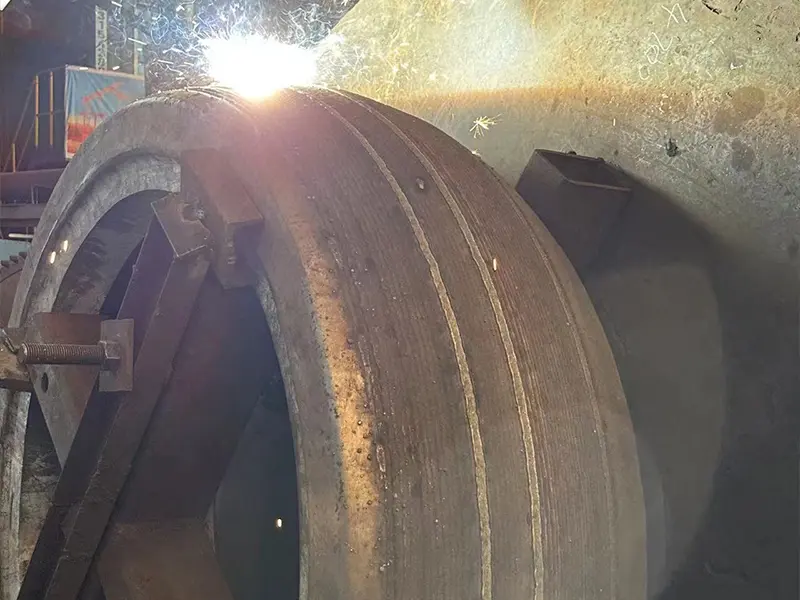
Professional roller repair and rebuild services for cement mills, steel casting line rolls, and coal pulverizers. Extends operational life while lowering production costs.
See more products
Bulk manufacturing of specialized hardfacing wires, offering customized flux cores and alloy combinations tailored to client requirements.
Learn More
Precision-engineered wear plates featuring consistent chromium carbide distribution for high sliding abrasion resistance.
Learn More
Engineered for ease of use in outdoor and field environments. Delivers consistent deposit chemistry without external gas supplies.
Learn More
Engineered for extreme sliding wear applications. Delivers long service life and high durability under heavy abrasive feeds.
Learn More
Designed for heavy mining and bulk terminal applications. Ensures exceptional structural reliability and long-term protection.
Learn More Runxing machinery