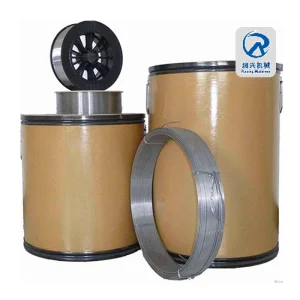
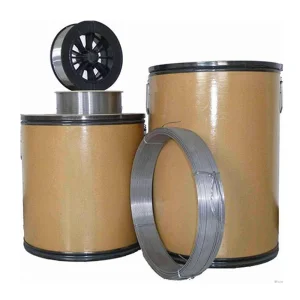
Explore our industrial grade self-shielded cored wires, high-hardness chromium carbide overlay (CCO) wear plates, and automated surfacing machinery.
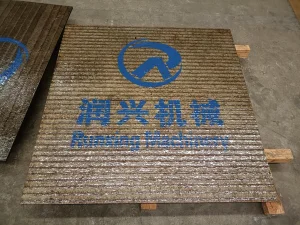
Our heavy industry engineering capacities are built upon high-precision automated systems designed to increase mechanical lifespans and lower production downtime.
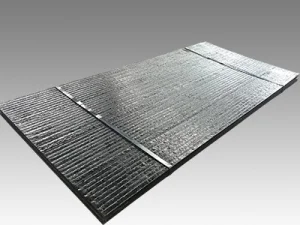
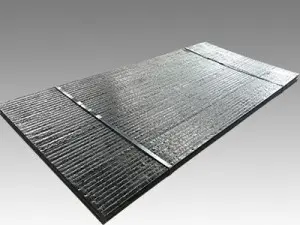
Composite material wear plate constructed via a structural steel backing and a robust hard weld surfacing. The RX®wp 7600 is an advanced composite wear plate engineered to meet DIN 8555 industrial standards, offering supreme structural integrity for severe abrasive conditions.
Our self-shielded flux-cored wire features a high-chromium alloy formulation specifically tailored to resist intense high-stress grinding abrasion accompanied by minor impact stresses. These wires are optimized for on-site wear plate surfacing and heavy equipment restoration without the need for external shielding gas cylinders.
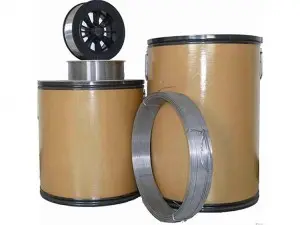
We supply advanced PTA-compatible wires and alloys. Optimized with chromium, carbon, and other micro-alloys, these products guarantee an excellent microstructure with dense, uniform primary carbides to mitigate abrasive mineral wear in coal pulverizing and cement grinding processes.
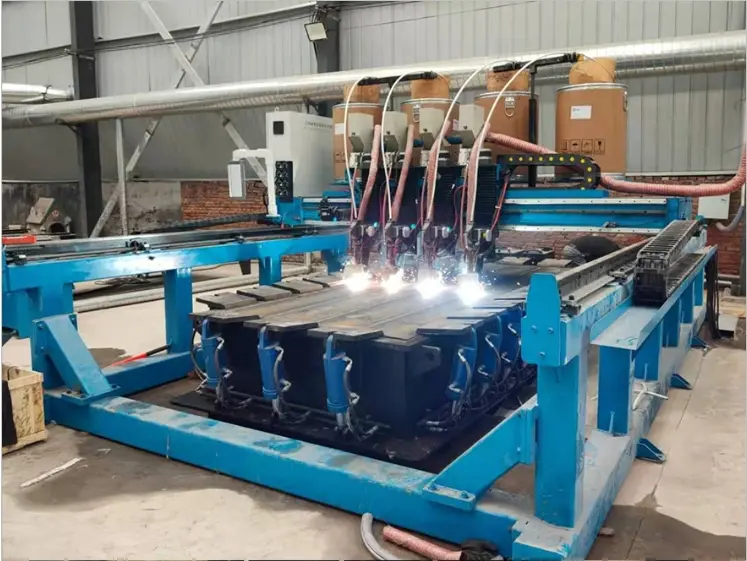
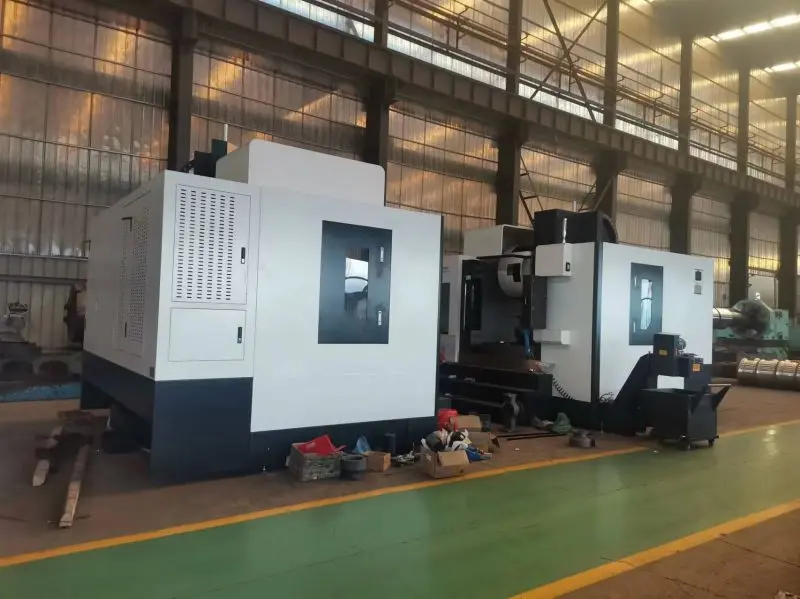
RX® Surfacing equipment provides high degrees of automation, small physical footprints, lower power consumption, and simple maintenance routines. Specially optimized for high-volume wear plate fabrication and roll repair. The system supports open-arc, gas-shielded, and submerged-arc options utilizing different types of solid, flux-cored, and self-shielding wires.
Featuring a 10.2-inch touchscreen numeric control module, the system controls uniform oscillation swing welding. The design integrates four independent welding heads operating simultaneously or sequentially to maximize deposition efficiency and parameter control.
Our facility houses complete fabrication shops, specializing in manufacturing high-precision industrial components, replacement accessories, and tailored engineering structures. We implement state-of-the-art cutting, bending, and welding methods to deliver robust components ready for heavy-impact industrial installation.
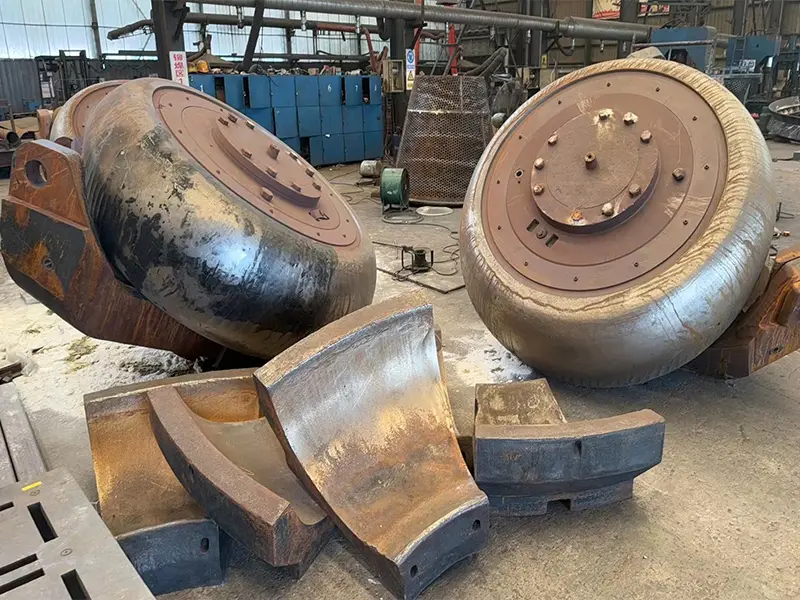
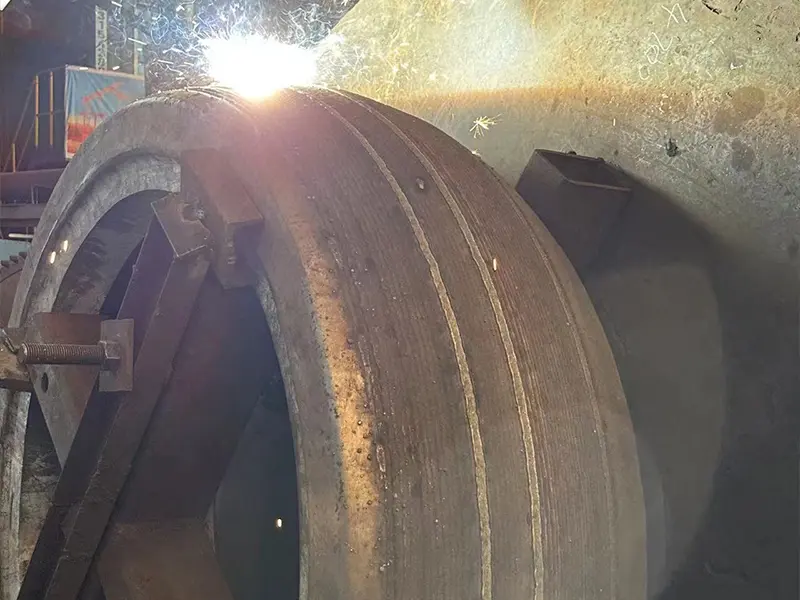
Rolls and grinding rolls represent crucial mechanical investments across steel processing, cement kilns, electric power generation, and mining. Heavy crushing and continuous casting processes subject these rolls to rapid deterioration, impacting operating overheads. Our customized rebuild service uses specialized self-shielded alloys to restore continuous caster rolls, coal vertical mill rolls, and press rollers. By rebuilding worn profiles, we extend equipment runtime and minimize capital replacement costs.
A technical guide on high-deposition hardfacing, alloy optimization, and the chemical composition driving wear life extensions.
In heavy industrial welding, particularly outdoor restoration and on-site hardfacing of mineral equipment, maintaining stable external gas shielding (such as 100% $CO_2$ or Argon/$CO_2$ mixes) is often logistically challenging and economically inefficient. High winds disperse the shielding gas, leading to nitrogen contamination, weld porosity, and embrittlement. Self-shielded flux-cored arc welding (FCAW-S) addresses this challenge directly.
The core of the wire is packed with precise ratios of gas-generating agents (fluorides and carbonates), slag formers, and deoxidizers (aluminum and magnesium). As the arc melts the wire, these core materials decompose to form an insulating gas envelope and a fast-freezing slag layer, shielding the molten pool. The introduction of high-alloy elements like Chromium ($Cr$), Carbon ($C$), Manganese ($Mn$), and Silicon ($Si$) directly into the core matrix enables the deposition of primary chromium carbides ($M_7C_3$) within a tough austenitic matrix. This produces a wear-resistant layer with hardness levels up to 60-65 HRC.
Global procurement teams in mining, cement, and power generation prioritize three key metrics when sourcing self-shielded cored wires:
| Wire / Plate Model | Typical Chemistry (Wt%) | Weld Metal Hardness | Primary Wear Mechanism | Standard Designations |
|---|---|---|---|---|
| RX-m Series (CCO) | C: 4.0 - 5.5% | Cr: 25 - 35% | Fe: Bal. | 58 - 62 HRC | Extreme Abrasion, Low Impact | DIN 8555: MF10-60-GR |
| RX-7600 (High Temp) | C: 4.5% | Cr: 28% | Nb: 5.0% | W/V: Added | 60 - 65 HRC | High Stress Grinding up to 600°C | DIN 8555: MF10-65-GZ |
| RX-SS Cored Wire | C: 3.5 - 5.0% | Cr: 22 - 30% | Mn: 1.5% | 55 - 60 HRC | Slide Abrasion, Medium Impact | AWS A5.21: FeCr-A1A |
How Tangshan Runxing integrates advanced metallurgy, automated tooling, and global logistics to stabilize international supply networks.
Our Tangshan facility employs automated powder-blending systems and high-precision cored-wire drawing lines. Continuous monitoring of core fill ratios and wire diameter uniformity helps prevent wire feed issues and ensures consistent chemistry throughout production runs.
We source raw materials directly from major domestic steel mills, mitigating volatility in chromium and iron ore supply. Our strategic location in Tangshan, Hebei, provides convenient access to deepwater container ports, facilitating prompt international shipments.
Through our partnership with Hebei Yuwan International Trade Co., Ltd., we handle export clearance, compliance documentation, and global payments. This allows our production teams to focus on quality control and technical support while streamlining the import process for our customers.
Based in Tangshan, Hebei Province, Tangshan Runxing Machinery Co., Ltd. manufactures chromium carbide overlay (CCO) wear plates, hardfacing flux-cored welding wires, and automated surfacing machinery. We also provide on-site repair and rebuild services for heavy industrial operations.
Over the past decade, we have developed wear solutions tailored to the abrasive operating conditions found in cement plants, steel mills, mining operations, coal-fired power stations, and port facilities. Our surface hardfacing technology is engineered to balance wear performance with structural integrity.
To support our international clients, all export administration, compliance, and shipping logistics are managed by Hebei Yuwan International Trade Co., Ltd. This trade framework enables our engineers to focus on product development, quality control, and testing while ensuring clear, structured export operations.
Our hardfacing materials and bimetallic wear plates are engineered for high durability in severe industrial environments.
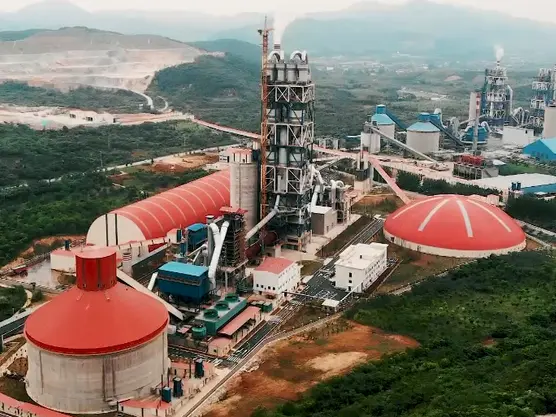
Raw material handling, chute liners, clinker storage, and vertical grinding roller components are subjected to severe, continuous abrasion. Applying chromium carbide overlay plates helps prevent premature wear and extended maintenance shutdowns.
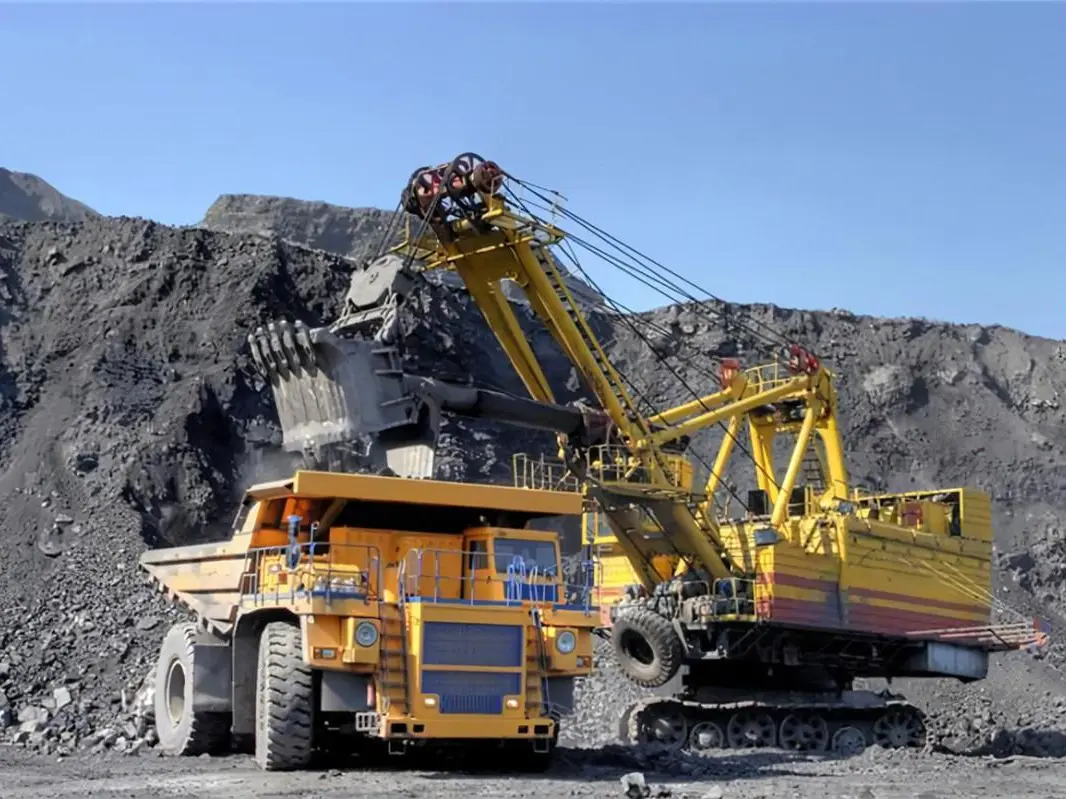
Excavator buckets, dragline components, mineral hoppers, and slurry piping systems experience high-stress abrasion. Our self-shielded hardfacing wire deposits a protective wear layer directly on-site to help maintain equipment uptime.
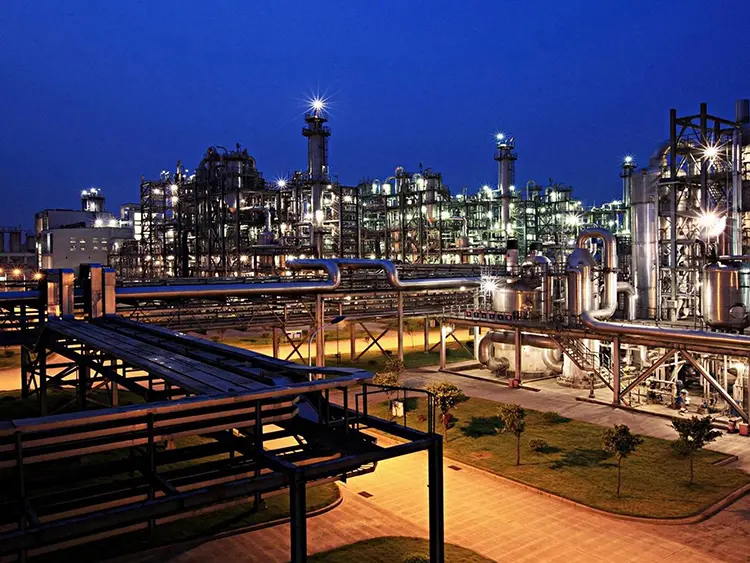
Blast furnace components, coke distribution systems, and raw ore hoppers face combined abrasion and elevated temperatures. Our alloy compositions are designed to retain hardness under high heat loads.
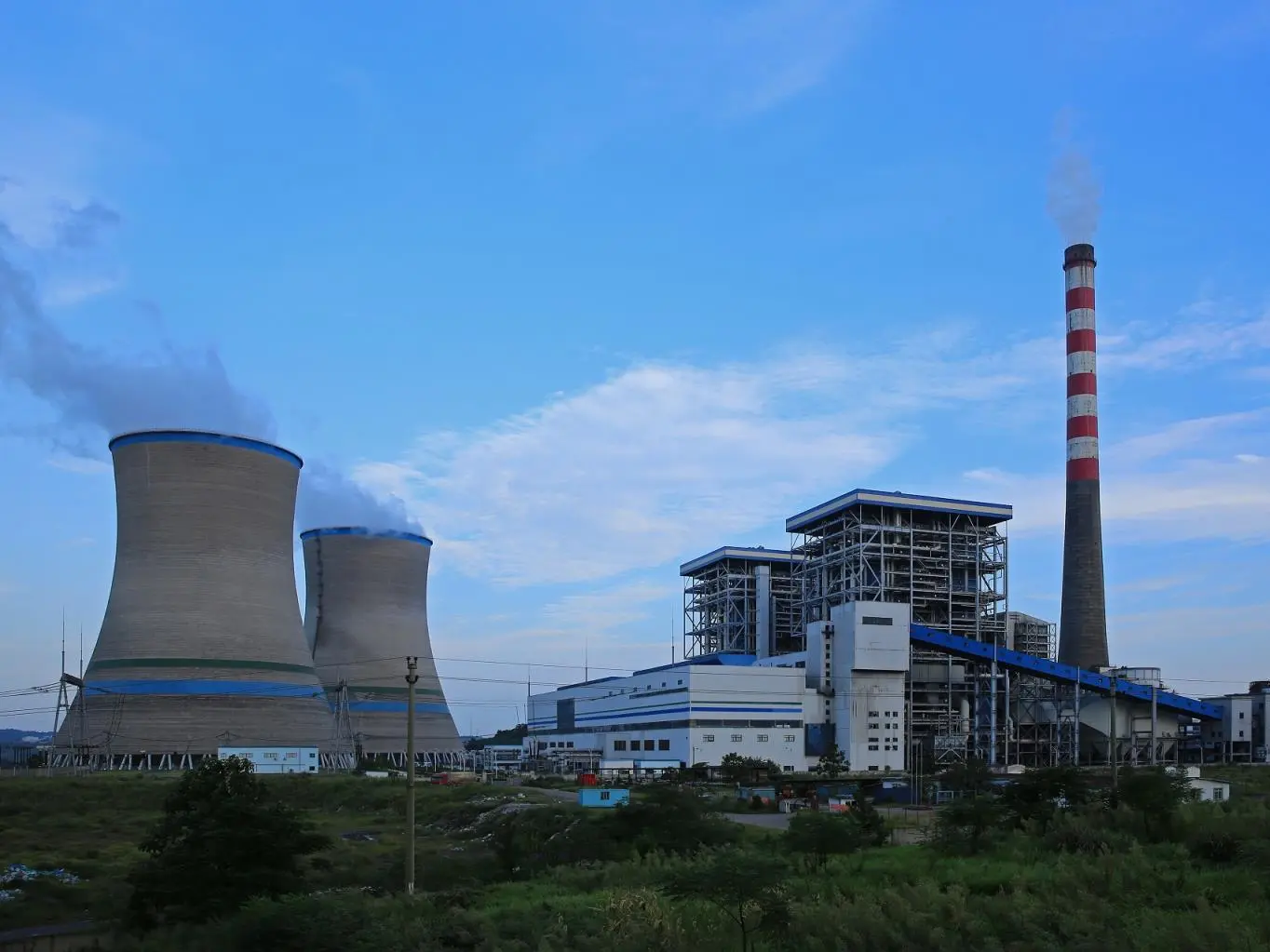
Coal-fired power generation plants rely on pulverizer components, fan blades, coal chutes, and hopper liners. Hardfacing these parts with open-arc cored wire protects them against continuous ash and coal dust erosion.
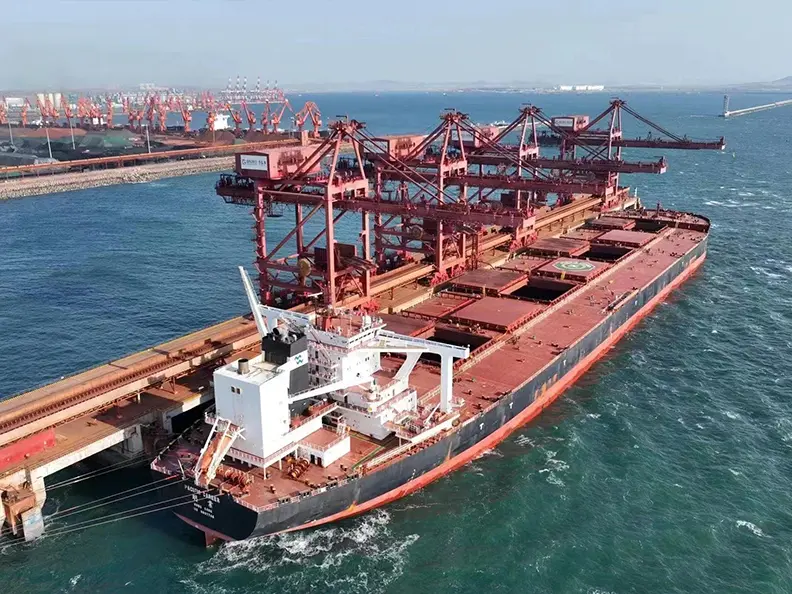
Bulk transfer chutes, hopper bins, grab buckets, and stacker-reclaimer components experience rapid wear from abrasive dry materials. Standardizing on CCO wear plates helps stabilize high-capacity loading systems.
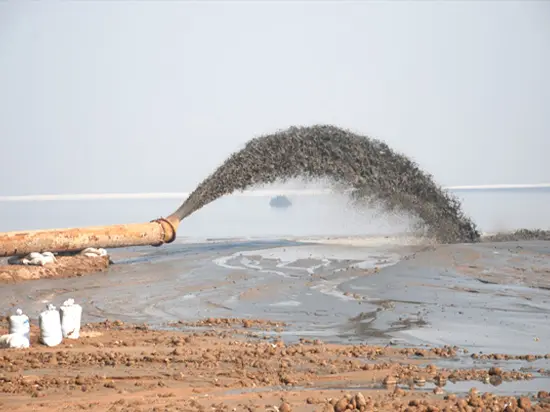
For applications where metallic wear plates are constrained by chemical corrosion or tight geometric limits, we also supply sintered alumina ceramics to provide targeted wear protection.

Our metallurgy team tests and introduces new chemical formulations each quarter to address emerging industrial wear challenges.

We work closely with university research departments to develop hardfacing alloys tailored for extreme operating environments.
Our technical capabilities and quality management processes are informed by international projects, trade shows, and joint research partnerships.
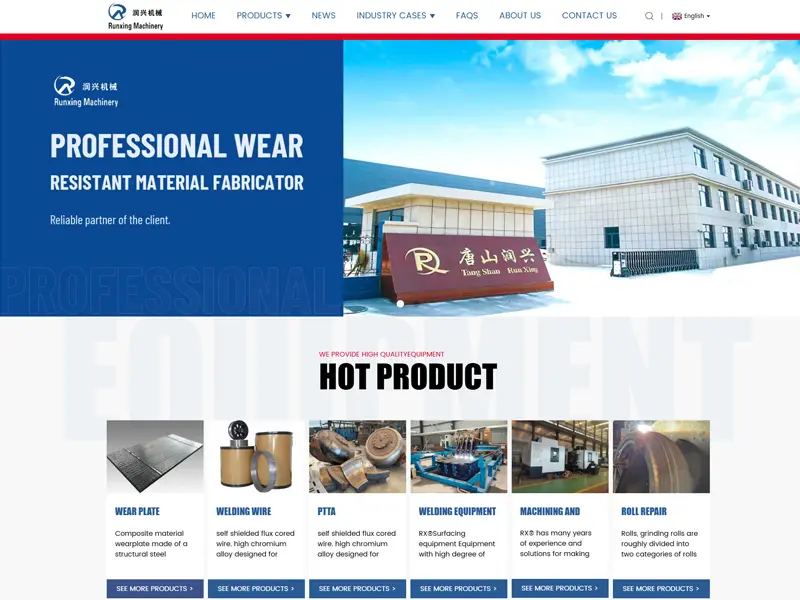
We launched our updated website platform to streamline technical data requests, product comparisons, and drawing uploads. This portal is designed to provide global procurement teams with direct access to physical properties and test certificates.
Our engineering representatives attended the 2024 International Mining and Construction Machinery Exhibition in Johannesburg, South Africa, exhibiting hardfacing cored wires and wear plates designed for high-stress extraction applications.
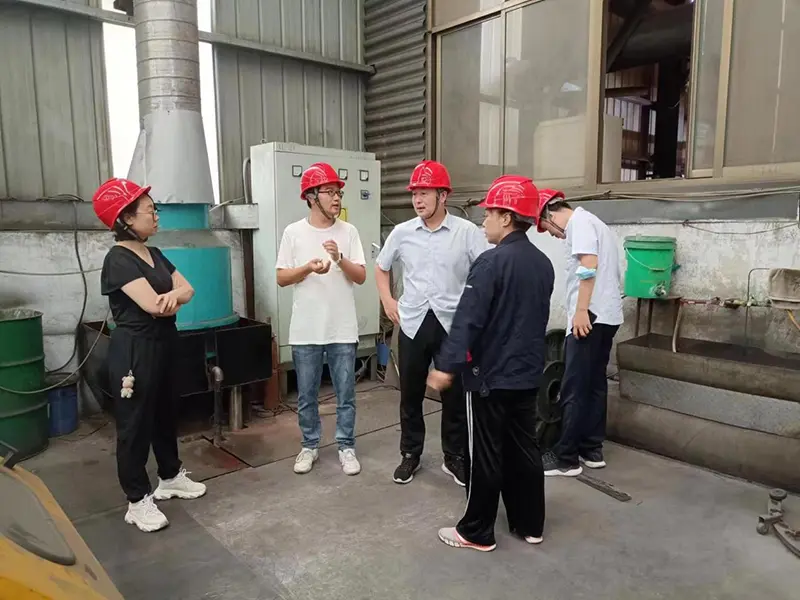
In 2023, representatives from Tangshan University, including the Metal Materials and Forming Technology team, visited our production facilities. Our engineers collaborate with academic researchers on micro-alloying and wear testing projects.
Since 2019, Tangshan Runxing has integrated high-performance wear protection technologies in collaboration with VAUTID Germany, helping us maintain international quality standards in our fabrication work.
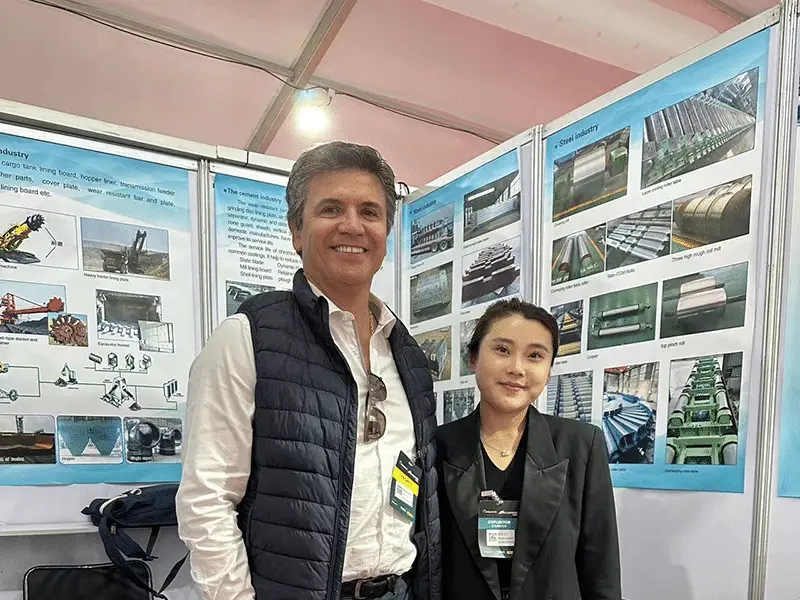
We exhibited at EXPOMIN in Santiago, Chile, presenting wear plate assemblies and high-chromium overlay wires to Latin American mining operations and material processing companies.
A gallery of our processing steps, metal analysis labs, automated drawing benches, and wear plate inspection areas.



Addressing engineering specifications, chemical composition considerations, and installation best practices.
Open-arc (self-shielded) flux-cored wires (FCAW-S) contain chemical deoxidizers and gas-generating compounds within their core that release protective gases during welding. This eliminates the need for external shielding gas tanks, making them suitable for windy, outdoor construction and field maintenance. Gas-shielded cored wires (FCAW-G) rely on external $CO_2$ or argon mixtures to shield the arc, requiring specialized setups that are less portable but often yield cleaner, lower-smoke welds.
CCO achieves high wear resistance due to the formation of primary chromium carbides ($M_7C_3$) during solidification. These carbides are harder than silica and other common minerals, reaching hardnesses of 1200–1600 HV. They are embedded in a tough iron-chromium eutectic matrix (yielding an overall plate hardness of 58–62 HRC), which helps support the carbides and resist sliding abrasion under moderate impact.
The cracking observed on chromium carbide overlays is known as stress relief cracking (cross-checking). These cracks form due to thermal contraction stress during welding and are normal for high-chromium deposits. They relieve residual stresses in the hard overlay layer without propagating into the tough mild steel backing plate. This cracking pattern allows the composite plate to be rolled, bent, and formed without delamination.
Hebei Yuwan International Trade Co., Ltd. is the authorized trade and shipping service provider for Tangshan Runxing Machinery Co., Ltd. They handle the administrative aspects of our export business, including customs clearance, logistics coordination, trade documentation, and payment processing. This arrangement allows our plant management team to focus on production and quality control while ensuring structured export operations.
Yes, CCO plates are designed to be welded onto existing structural steel elements. The backing plate is typically weldable structural steel (such as Q235B or A36), which allows it to be joined using standard welding processes like SMAW, FCAW, or GMAW. We also offer custom processing, including pre-cut plug welding holes, countersunk inserts, or back-welded stud bolts, to simplify installation on site.
We use several testing procedures to verify the quality of our materials. These include ASTM G65 dry sand/rubber wheel abrasion testing to measure volumetric wear loss, Rockwell (HRC) and Vickers microhardness tests to evaluate matrix and carbide phase hardness, and optical emission spectrometry (OES) to confirm alloy chemistry. Visual inspection is also conducted to monitor crack spacing and deposit thickness.
Explore our standard dimensions, wire spool formats, and wear plate configurations.
 Runxing machinery